
HYX-E200-H: The 21.2kWh Full Stack, and Who Actually Needs It
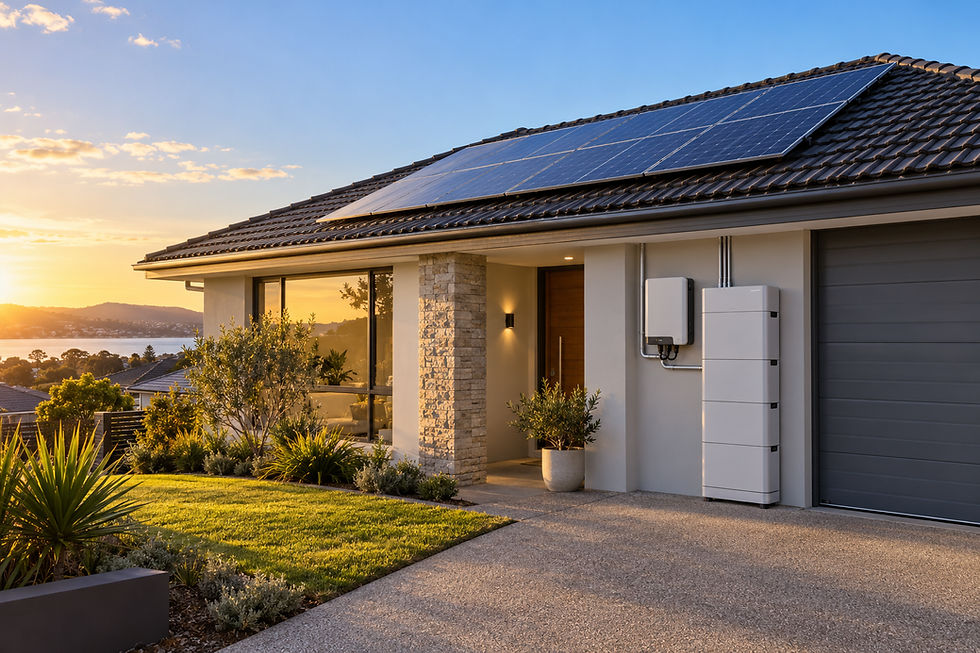
If you've been quoted a system with a "HYX-E200-H" line item, you're looking at the largest single-tower configuration in HYXI's HYX-E-H battery family — a stack most homes don't need, and a small number of homes genuinely can't do without. This guide breaks down exactly what the model number means, what's inside the unit, and how to tell which category you fall into before you sign off on a quote.
What Is the HYX-E200-H?
The HYX-E200-H is a high-voltage, stackable lithium iron phosphate (LiFePO4) battery from HYXI (formerly HYXiPOWER), built as the top rung of the HYX-E50/100/150/200-H product line. Rather than being a single large cell block, it's a "full stack" configuration — four battery modules assembled into one 700 × 1650 × 200mm tower, sharing a common battery management system (BMS) and communicating over CAN and RS485 to the paired hybrid inverter.
According to the manufacturer's HYX-E(50–200)-H datasheet (V1.4, May 2026), the HYX-E200-H carries a nominal battery energy of 21.2kWh and a usable (available) energy rating of 18.0kWh, with the difference reflecting the depth-of-discharge margin the BMS reserves to protect long-term cell health. The unit runs at a nominal voltage of 409.6Vd.c., with a working voltage range of 345.6–460.8Vd.c., and supports a maximum charge/discharge current of 35A. Net weight is listed at 215kg.
HYX-E200-H Specifications at a Glance
Spec | HYX-E200-H |
Nominal battery energy | 21.2kWh |
Usable (available) energy | 18.0kWh |
Nominal voltage | 409.6Vd.c. |
Working voltage range | 345.6 – 460.8Vd.c. |
Nominal output power | 12.0kW |
Max charge/discharge current | 35A |
Cell chemistry | LiFePO4 |
Cycle life | >6,000 cycles (70% EOL) |
Ingress protection | IP65 (module: IP67) |
Operating temperature | -10°C to +50°C (heating version: -20°C to +50°C) |
Dimensions (W×H×D) | 700 × 1650 × 200mm |
Net weight | 215kg |
Warranty | 10 years |
That 12.0kW nominal output figure is the detail most quote-comparison shoppers actually land on this page for. It's a meaningful jump from the 6.0kW HYX-E100-H or the 9.0kW HYX-E150-H, and it changes what the battery can physically support during a blackout or an evening peak — not just how much energy it holds.
Who Actually Needs a 21.2kWh Stack?
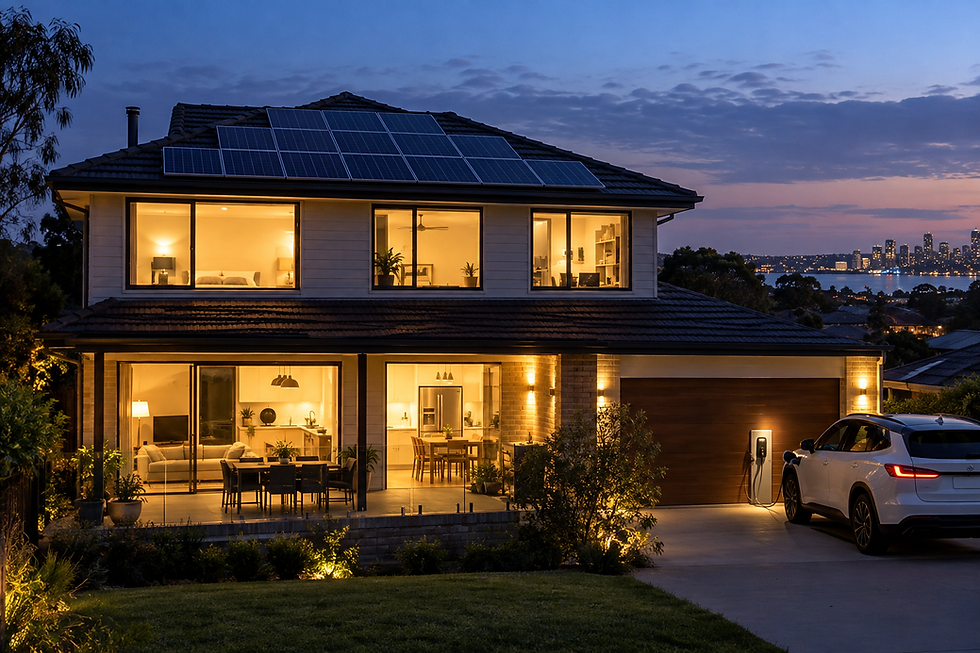
Most Australian households on a standard single-phase supply are well served by a 10–15kWh battery. The HYX-E200-H is a deliberate step up from that, and it tends to make sense for a narrower set of situations:
Larger households with high simultaneous load. Homes running ducted reverse-cycle air conditioning, an electric or heat-pump hot water system, a pool pump, and EV charging in overlapping windows draw more instantaneous power than a mid-tier battery's output rating can comfortably cover.
Multi-EV households. Two EVs charging overnight, or one EV charging while the household runs its evening loads, benefits from both the extra 18kWh of usable capacity and the higher 12.0kW output ceiling.
Homes chasing longer blackout autonomy. In areas prone to storm-related outages, the larger usable capacity stretches essential circuits — fridge, lighting, medical equipment, internet — across more hours before the battery needs a recharge.
Three-phase properties and larger roofs. A 21.2kWh stack is a more proportionate match for a larger PV array (10kW+) that's already producing more surplus energy than a smaller battery can absorb in a single charge cycle.
Home offices, workshops, or small businesses run from the property. Additional continuous load from tools, servers, or refrigeration is where the output rating — not just the storage size — starts to matter.
If none of the above describes your household, a HYX-E100-H or HYX-E150-H is very likely the more cost-effective fit — and worth asking your installer to model against your actual bill, rather than defaulting to the biggest number on the quote.
It's also worth noting that HYXI's stackable module design means the HYX-E200-H isn't necessarily a "buy once" decision the way a fixed-capacity battery is. Because the underlying modules are common across the HYX-E-H range, a system speced smaller today can, in principle, be planned with headroom to add capacity later — a conversation worth having with your installer at quote stage rather than after installation.
Why Solar Panels and Battery Storage Make Sense in Australia
Whatever size battery ends up matching your household, the underlying case for going solar in Australia in 2026 is stronger than it's been in years — driven by a mix of climate, policy, and electricity pricing shifts.
Australia's Solar Resource Is Genuinely Exceptional
Australia receives some of the highest average solar irradiance of any inhabited continent, and most of the country sees the bulk of that sunlight land in the exact hours a standard 9-to-5 household is out of the house and not using it. That mismatch between when solar is generated and when it's consumed is precisely the problem a home battery is designed to solve — storing midday surplus for use in the evening peak.
Electricity Pricing Is Moving, and Time-of-Use Matters More
The Australian Energy Regulator's Default Market Offer for 2026–27, finalised in May 2026 and effective from 1 July 2026, adjusted standing-offer electricity prices across New South Wales, South East Queensland, and South Australia, with most regions seeing a reduction and time-of-use customers generally seeing larger reductions than flat-rate customers. The same determination introduced the Solar Sharer Offer, an opt-in tariff giving eligible households with a smart meter a three-hour window of free grid electricity in the middle of the day — 11am–2pm in NSW and South East Queensland, and 12pm–3pm in South Australia. For solar households, that free window is an additional opportunity to top up a battery from the grid on low-generation days, on top of self-generated charging on sunny ones.
Battery Rebates Are More Accessible Than They've Been
The federal Cheaper Home Battery Program's tiered Small-scale Technology Certificate (STC) structure, effective from May 2026, has materially changed the upfront cost equation for home battery installation. The specific discount depends on system size, installation date, and location, which is why we keep exact rebate figures off individual spec pages — for current numbers, see our full rebate breakdown.
Installer and Product Standards Have Tightened
Since 2024, Solar Accreditation Australia (SAA) has been the accrediting body for solar and battery installers and designers, replacing the Clean Energy Council in that specific function. Separately, the Clean Energy Council still maintains its approved battery products list, which the HYX-E series was added to in mid-2025 — a relevant check when comparing quotes, since only CEC-listed products are generally eligible for rebate programs.
Where the HYX-E200-H Fits Into Your Decision
A model number on a quote line is really shorthand for three things: how much energy the battery stores, how much power it can deliver at once, and whose engineering stands behind it. The HYX-E200-H answers the first two questions clearly — 21.2kWh nominal, 18.0kWh usable, 12.0kW output. The third question is worth spending a bit more time on before you commit to a system this size.
HYXI (formerly HYXiPOWER) is the manufacturer behind the HYX-E-H range, and its background — including its Clean Energy Council-listed products and its rebrand history — is worth understanding if you're weighing this brand against others on your shortlist. If a 21.2kWh stack looks like it matches your household's load profile, the next practical step is getting it costed against your actual roof, panel count, and consumption pattern — our team can put together a free, no-obligation quote based on your specific site. And because rebate eligibility and STC values shift depending on your location and installation timing, it's worth checking the current numbers in our 2026 rebate guide before you compare final pricing across installers.
Why Choose AU Solar Mate?
At AU Solar Mate, we handle the entire solar battery installation process — from system design to installation and support.
Our services include:
Battery sizing assessments
Hybrid inverter recommendations
Backup power setup
Compliance management
Monitoring configuration
You work directly with experienced technical specialists — not sales teams.
📞 Call: +61 1800 508 922
🌐 Website: AU Solar Mate
✉️ Email: sales@ausolarmate.com.au


Comments